
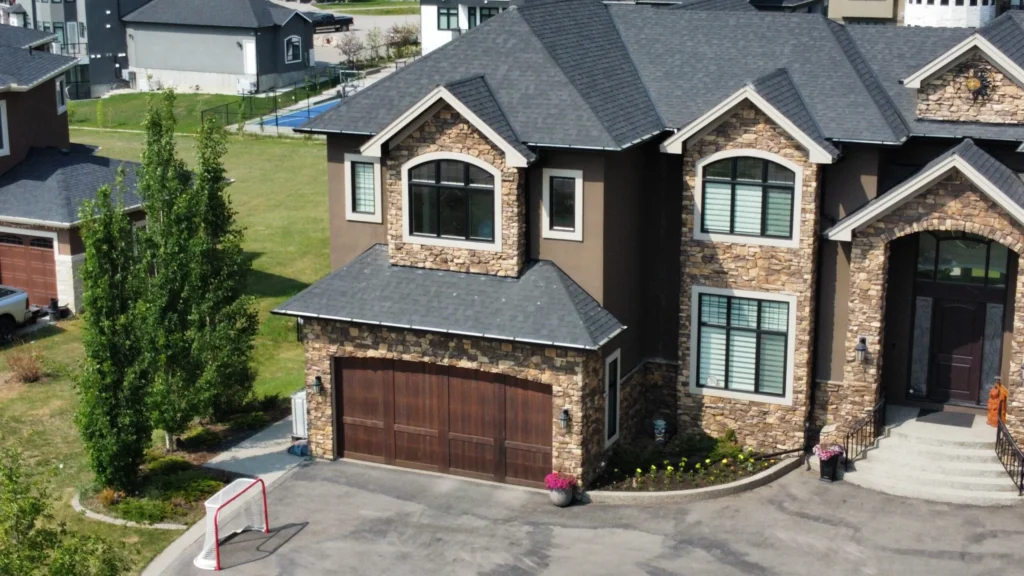
Calgary winters can be tough on garage doors. Freezing temperatures, heavy snowfall, and frequent freeze thaw cycles can affect garage door springs, lift cables, rollers, tracks, weather seals, and garage door openers. What starts as a slow-moving or noisy garage door can quickly turn into a door that won’t open when you need it most.
In this guide, you’ll learn:
- Why garage doors are more likely to fail during Calgary winters.
- The most common winter garage door problems and their warning signs.
- Simple troubleshooting steps you can safely perform.
- How to prevent winter breakdowns with seasonal maintenance.
- When it’s time to call a professional for garage door repair.
Why Garage Doors Fail During Calgary Winters
Calgary’s winter weather creates challenging conditions for garage doors. Freezing temperatures, heavy snowfall, freezing rain, and frequent freeze thaw cycles place extra stress on every moving part of the system. Over time, these changing conditions can cause garage door springs to weaken, lift cables to wear out, rollers to become stiff, and tracks to fall out of alignment.
Moisture is another common cause of winter garage door problems. Ice can freeze the bottom weather seal to the ground, while snow and condensation may collect around the tracks and safety sensors. Cold temperatures can also make lubricants thicker, forcing the garage door opener to work harder every time the door opens or closes.
Most winter related garage door problems develop gradually rather than overnight. Paying attention to slow operation, unusual noises, uneven movement, or difficulty opening the door can help you identify problems early before they turn into costly repairs or create safety risks.
Calgary Winter Fact
According to WeatherSpark, average daytime temperatures in Calgary remain around 33°F (1°C) during winter, while overnight temperatures average about 14°F (-10°C). Combined with frequent freezing conditions and temperature fluctuations, these conditions place additional stress on garage door springs, lift cables, rollers, weather seals, and garage door openers.
Common Winter Garage Door Problems in Calgary
Winter weather can affect every part of a garage door system, from the springs and lift cables to the opener, rollers, tracks, and weather seals. While some problems develop gradually because of normal wear, others can appear suddenly after heavy snowfall or a sharp drop in temperature. Knowing what causes these issues and recognizing the early warning signs can help you prevent costly repairs and keep your garage door operating safely throughout Calgary’s winter season.
From Our Experience
During Calgary winters, our technicians most commonly respond to emergency calls involving frozen weather seals, broken torsion springs, snapped lift cables, and garage door openers that were repeatedly used while the door was frozen to the driveway. Many of these repairs can be avoided with a professional inspection before winter.
Garage Door Frozen to the Ground
A garage door frozen to the ground is one of the most common winter problems for Calgary homeowners. During the day, melting snow can collect beneath the door. When temperatures drop overnight, the moisture freezes and bonds the bottom weather seal to the driveway.
- Don’t force the door open. Pressing the opener repeatedly or trying to lift the door manually can damage the weather seal, overload the garage door opener, or place extra stress on the springs and lift cables.
- Check for ice buildup first. Clear away loose snow and inspect the bottom seal. If ice is preventing the door from opening, use warm water or a plastic ice scraper to loosen it. Avoid boiling water, as it can quickly refreeze in freezing temperatures.
- Know when to call a professional. If the garage door still won’t open, moves unevenly, or makes grinding or popping noises after the ice has been removed, the issue may involve damaged springs, lift cables, or the opener. In that case, it’s safest to schedule emergency garage door repair before additional damage occurs.
Broken Garage Door Springs
Garage door springs carry most of the door’s weight, allowing it to open and close smoothly. Most standard torsion springs are designed for about 10,000 opening and closing cycles. Over time, daily use, freezing temperatures, and Calgary’s frequent freeze thaw cycles can weaken the metal, making older springs more likely to fail during winter.
A broken spring usually shows one or more of these warning signs:
- A loud bang coming from the garage.
- The garage door only opens a few inches.
- The door feels unusually heavy when operated manually.
- The garage door opener struggles or stops working.
- A visible gap appears in the torsion spring above the door.
Garage door springs are under extreme tension and should never be repaired without the proper tools and training. Continuing to operate the door with a broken spring can also damage the opener, lift cables, and other moving parts.
If you notice any of these symptoms, stop using the door and schedule a garage door spring replacement. Replacing the spring promptly helps restore the door’s balance and prevents additional damage to the system.
Garage Door Opener Not Working
A garage door opener that stops working during winter isn’t always a sign of a failed motor. Cold weather can reduce battery performance, cause lubricants to thicken, and make the opener work harder when moving a heavy or frozen garage door. Electrical problems, such as a tripped breaker or faulty wiring, can also prevent the opener from operating properly.
If your garage door opener isn’t working, look for these common signs:
- The remote or wall button doesn’t respond.
- The opener motor runs, but the door doesn’t move.
- The opener hums or struggles to lift the door.
- The garage door reverses before fully opening or closing.
- The opener lights flash, indicating a sensor or system fault.
Start by replacing the remote batteries, checking the power supply, and ensuring the photo eye safety sensors are clean and properly aligned. If the opener continues to struggle or stops working altogether, avoid forcing it to operate, as this can place additional strain on the motor and other garage door components.
If basic troubleshooting doesn’t solve the problem, professional garage door opener repair can identify the underlying issue and restore safe, reliable operation before the damage becomes more extensive.
Garage Door Rollers and Tracks Freezing
Garage door rollers and tracks help the door move smoothly every time it opens and closes. During Calgary winters, snow, ice, dirt, and road debris can build up inside the tracks, while freezing temperatures can cause rollers to stiffen and lubricants to lose their effectiveness. These conditions increase friction and place extra strain on the entire garage door system.
If your rollers or tracks are affected, you may notice:
- The garage door moves slowly or jerks while opening.
- Grinding, squeaking, or scraping noises during operation.
- Ice, dirt, or debris inside the tracks.
- Rollers that appear worn, cracked, or don’t move freely.
- The garage door looks uneven or slips out of alignment.
Regularly removing dirt and ice from the tracks and applying a garage door lubricant designed for cold weather can help reduce friction and improve performance. However, bent tracks, damaged rollers, or an off track garage door should be inspected by a professional to prevent additional damage.
If your garage door continues to bind, make unusual noises, or comes off its tracks, professional garage door repair in Calgary can identify the cause and restore smooth, safe operation.
Garage Door Safety Sensors Not Responding
Garage door safety sensors prevent the door from closing if they detect an obstruction. During Calgary winters, snow, ice, condensation, and shifting ground can interfere with the sensors, causing the garage door to stop, reverse unexpectedly, or refuse to close.
If the safety sensors aren’t working properly, you may notice:
- The garage door starts to close but immediately reverses.
- The opener lights flash repeatedly.
- Snow, ice, or condensation is covering the sensor lenses.
- The sensor lights are blinking or have turned off.
- The sensors appear misaligned after freezing temperatures or accidental impact.
Before calling for repairs, gently wipe the sensor lenses with a soft cloth, remove any snow or debris, and make sure both sensors are facing each other. Avoid using sharp objects to remove ice, as this can damage the lenses or sensor housing.
If the garage door still won’t close after cleaning and checking the sensor alignment, the problem may involve damaged wiring, faulty sensors, or an issue with the opener. Professional garage door opener repair can diagnose the problem and restore safe operation.
Weather Seal Damage
The bottom weather seal helps keep out cold air, moisture, dirt, and pests while improving your garage’s energy efficiency. During Calgary winters, repeated freeze thaw cycles can cause the rubber seal to become brittle, crack, or pull away from the bottom of the garage door, allowing cold air and water to enter.
Signs of a damaged weather seal include:
- Visible cracks, tears, or gaps in the bottom seal.
- Cold drafts entering around the garage door.
- Water, snow, or debris collecting inside the garage.
- Higher heating costs caused by heat loss.
- Ice forming along the bottom edge of the garage door.
Replacing a worn weather seal helps improve insulation, reduces energy loss, and prevents moisture from damaging your garage floor and door components. It also lowers the chance of the door freezing to the driveway during periods of snow and freezing temperatures.
If your garage door no longer seals properly or you notice water entering the garage, professional garage door repair in Calgary can restore a tight seal and help protect your garage throughout the winter.
What To Do If Your Garage Door Won’t Open
If your garage door won’t open during winter, avoid forcing it. A simple inspection can help identify the problem and prevent unnecessary damage. Follow these steps before requesting professional repairs.
1. Check for Ice Buildup
Inspect the bottom of the garage door for ice or packed snow. If the weather seal is frozen to the driveway, gently remove loose snow and allow the ice to melt naturally or use warm water to loosen the seal. Never force the door open, as this can damage the opener, springs, or lift cables.
2. Inspect Springs and Cables
Look for a visible gap in the torsion spring or loose, frayed, or hanging lift cables. If you notice either of these issues, stop using the garage door immediately. Springs and cables are under high tension and should only be repaired by trained professionals.
3. Test the Garage Door Opener
Make sure the opener has power and replace the remote batteries if needed. If the motor runs but the door doesn’t move, avoid repeated attempts to operate it, as this can place additional strain on the opener and other components.
4. Examine the Safety Sensors
Check that the safety sensors are clean, free of snow or condensation, and properly aligned. Dirty or blocked sensors can prevent the garage door from closing or cause it to reverse unexpectedly.
5. Avoid Forcing the Door
Never force a frozen or damaged garage door open. Doing so can break springs, snap lift cables, bend tracks, or damage the garage door opener, resulting in more extensive and costly repairs.
6. When to Call a Professional
If the garage door remains stuck, moves unevenly, makes unusual noises, or shows signs of broken springs, damaged cables, or an opener malfunction, it’s time to contact a professional. Prompt garage door repair in Calgary can restore safe operation and help prevent further damage to the system.
Winter Garage Door Maintenance Checklist
Routine maintenance helps reduce winter breakdowns and extends the life of your garage door system. Use this checklist before temperatures drop to keep your garage door operating safely and efficiently throughout Calgary’s winter.
- Lubricate moving parts: Apply a silicone based garage door lubricant to rollers, hinges, bearings, and springs. Avoid heavy grease, which can thicken in cold weather.
- Inspect springs: Look for rust, gaps, or signs of wear. If you notice damage, avoid using the garage door until it has been inspected.
- Check lift cables: Examine the cables for fraying, corrosion, or loose strands. Damaged cables should be replaced by a professional.
- Test the auto reverse system: Place a small object under the door to confirm it automatically reverses when it makes contact. This safety feature should be tested regularly.
- Clean the tracks: Remove dirt, ice, leaves, and debris to allow the rollers to move freely. Do not apply lubricant directly inside the tracks.
- Inspect the weather seal: Replace cracked or worn weather stripping to help keep out cold air, moisture, and snow.
- Tighten loose hardware: Check brackets, hinges, and roller bolts for loose fasteners caused by regular use and vibration.
- Test the opener batteries: Replace weak remote batteries before winter, as cold temperatures can reduce battery performance.
- Schedule an annual tune up: A professional inspection can identify worn springs, cables, rollers, and other components before they fail during winter. Learn more about garage door maintenance and how regular servicing helps prevent costly repairs.
Frequently Asked Questions
Why won’t my garage door open during winter?
Cold weather can cause several issues that prevent a garage door from opening, including ice buildup around the bottom weather seal, broken springs, frozen lift cables, thickened lubricants, or a malfunctioning garage door opener. Inspect the door for visible signs of damage before attempting to operate it.
Can cold weather break garage door springs?
Cold temperatures don’t directly break garage door springs, but they can increase stress on springs that are already worn. Calgary’s frequent freeze thaw cycles and years of daily use can weaken the metal, making older springs more likely to fail during winter.
How do I unfreeze a garage door safely?
Remove loose snow around the bottom of the door and allow the ice to melt naturally or use warm water to loosen the frozen weather seal. Avoid using excessive force or boiling water, as both can damage the garage door or its components.
Should I force open a frozen garage door?
No. Forcing a frozen garage door open can damage the garage door opener, snap lift cables, break springs, or bend the tracks. If the door remains stuck after removing the ice, it’s safer to have the system inspected by a professional.
What lubricant should I use in winter?
Use a silicone based garage door lubricant designed for cold weather. Apply it to rollers, hinges, bearings, and springs, but avoid spraying lubricant inside the tracks. Heavy grease can thicken in low temperatures and reduce the door’s performance.
How often should garage doors be serviced in Calgary?
Most garage doors should be professionally serviced at least once a year. If your garage door is used frequently or experiences heavy winter conditions, scheduling maintenance before winter can help identify worn parts and reduce the risk of unexpected breakdowns.
Can snow damage my garage door opener?
Snow itself won’t usually damage the opener, but ice buildup, increased door weight, frozen components, and blocked safety sensors can force the opener to work harder. Continued use under these conditions may shorten the life of the motor.
Is emergency garage door repair available during winter?
Yes. Emergency garage door repair is available throughout winter for issues such as broken springs, snapped cables, frozen garage doors, off track doors, and garage door opener failures. Prompt repairs help restore safe operation and prevent additional damage during freezing weather.
Conclusion
Calgary’s harsh winters can put extra stress on every part of your garage door system. From frozen weather seals and broken springs to damaged lift cables, worn rollers, and garage door opener problems, addressing small issues early can help prevent unexpected breakdowns and expensive repairs when you need your garage door the most.
Regular maintenance before winter, combined with prompt repairs when warning signs appear, helps improve safety, extend the life of your garage door, and keep it operating reliably through freezing temperatures, heavy snowfall, and frequent freeze thaw cycles.
If your garage door won’t open, is making unusual noises, or needs a professional inspection before winter arrives, the experienced team at Calgary Garage Doors is here to help. We provide reliable garage door repair, maintenance, and emergency services across Calgary and surrounding communities.
Call us today: 403-415-4111
Book an inspection: Contact Calgary Garage Doors

Roopinder Singh China is the owner of Calgary Garage Doors Inc., a Calgary-based garage door company established in 2016. He oversees the company’s garage door services and brings practical business and industry experience to the information published on the website.
Experience: 10+ years
Expertise: Garage Door Repair · Installation · Garage Door Openers · Door Service